
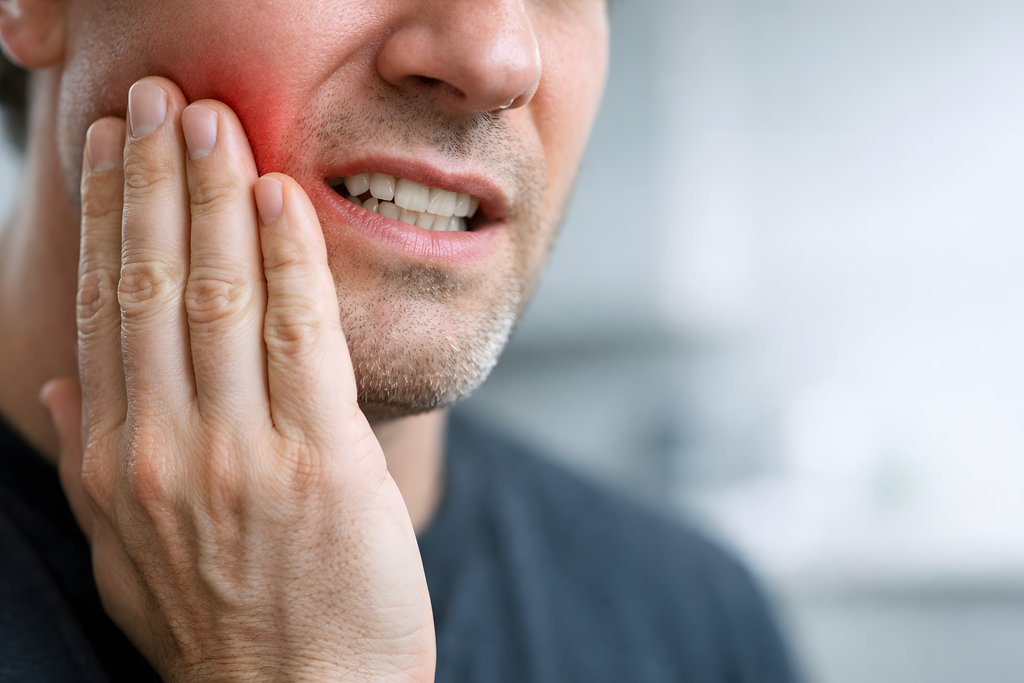
A dull ache in your jaw that shows up every morning is easy to write off as a rough night or one too many stressful days. But when that ache lingers, spreads to your teeth, and starts stealing your sleep, it is usually a sign of something more specific: a temporomandibular joint disorder that has been left untreated for too long.
At Artistic Dental, we see how often TMJ disorder gets brushed aside until it starts causing real damage. Our team in Jackson, NJ works with patients across Ocean County to catch these symptoms early, before they progress into cracked teeth, chronic pain, or sleep disruption that affects every part of daily life.
How Untreated TMJ Disorder Damages Your Teeth
The temporomandibular joint connects your jaw to your skull, and it works overtime every time you chew, talk, or yawn. When that joint becomes inflamed or misaligned, the surrounding muscles often respond by clenching or grinding, especially overnight when you have no control over the habit. This repetitive pressure does not stay contained to the joint. It transfers directly to your teeth.
Over months and years, that pressure wears down enamel, creates hairline cracks, and can even shift teeth out of their natural position. We often see patients who assume their tooth sensitivity or chipped enamel is unrelated to their jaw discomfort, when in reality the two are directly connected. A tooth that has been ground against night after night is far more likely to fracture, and once a crack forms, it rarely stays small.
Why Worn and Cracked Teeth Are Often Missed
Because TMJ-related tooth damage develops gradually, many patients do not connect it to their jaw until a dentist points it out during an exam. Our team uses digital X-rays and a thorough clinical evaluation to spot early wear patterns, flattened cusps, or stress fractures before they turn into a broken tooth that needs a dental crown or a more involved repair.
The Sleep Connection Most Patients Do Not Expect
Jaw clenching and grinding, known as bruxism, is one of the most common drivers of TMJ disorder, and it happens most often while you are asleep. This creates a frustrating cycle. The disorder disrupts sleep quality, and poor sleep can worsen muscle tension and pain perception, which in turn feeds the clenching pattern. Patients frequently describe waking up with a sore jaw, a headache, or a stiff neck, without ever making the connection to what happened while they were unconscious.
Research on this link continues to grow. According to the National Institute of Dental and Craniofacial Research, temporomandibular disorders can have a serious impact on quality of life, with pain that is sometimes severe enough to disrupt daily functioning. That disruption often extends well beyond the jaw itself and into how rested and functional a patient feels the next day.
What a Custom Night Guard Can Change
A properly fitted night guard is one of the most effective ways we address nighttime clenching before it causes further harm. Unlike an over-the-counter version, a custom guard is molded to your bite using precise digital scans, so it holds your jaw in a position that reduces joint strain while you sleep. Many patients notice improved sleep and less morning jaw soreness within the first few weeks of consistent use. For patients whose disrupted sleep may also involve airway concerns, we coordinate care through our sleep apnea services to address the full picture.
Beyond the Jaw: The Ripple Effect on Daily Life
TMJ disorder rarely stays confined to one symptom. Patients often describe a combination of jaw clicking, facial soreness, tension headaches, and even ringing in the ears, all stemming from the same underlying joint dysfunction. When those symptoms show up daily, they can affect concentration at work, patience with family, and overall energy levels in ways that are easy to underestimate until you address them.
The good news is that TMJ disorder responds well to a thoughtful, individualized treatment plan. Depending on what we find during your evaluation, treatment might include:
- Custom night guards: Molded appliances that reduce clenching pressure and protect teeth from further wear.
- Bite adjustment: Careful reshaping of tooth contact points to reduce joint strain.
- Restorative care: Repairing teeth already damaged by grinding with crowns or bonding.
- Stress management guidance: Practical techniques that reduce the clenching often triggered by tension.
Addressing these symptoms together, rather than one at a time, gives patients the best chance at lasting relief instead of temporary fixes.
Take the First Step Toward Relief
Jaw pain, worn teeth, and restless nights are not something you have to accept as permanent. At Artistic Dental, Dr. Jason Goldberg, Dr. Miryam Bookman, and Dr. Ariane Seto bring a thorough, patient-centered approach to diagnosing TMJ disorder, using advanced imaging and a genuine commitment to finding what’s driving your discomfort. We take the time to understand your full symptom picture, not just the most obvious complaint, so your treatment plan actually addresses the root cause.
If jaw pain, cracked teeth, or poor sleep have become part of your routine, we would like to help you find a way forward. Reach out through our contact form to schedule an evaluation, and let us help you protect your smile and get your rest back on track.