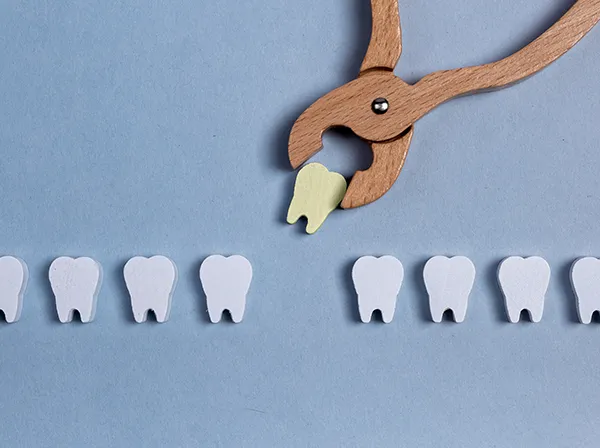
Tooth extraction is a common procedure within restorative dentistry at Artistic Dental, conducted with precision to address various dental concerns and maintain overall oral health. Understanding the reasons for extraction, the procedure itself, and proper aftercare is crucial for a smooth and successful recovery.
The Tooth Extraction Process
What is Tooth Extraction?
Tooth extraction, or dental extraction, is a common dental procedure that involves the removal of a tooth from its socket in the jawbone. While dentists prioritize preserving natural teeth, there are instances where extraction becomes necessary to maintain overall oral health.
Reasons for Tooth Extraction
Several factors may necessitate the extraction of a tooth. Procedures like fillings or crowns often cannot restore severely damaged or decayed teeth. Extraction becomes necessary to prevent the spread of infection.
Wisdom teeth often emerge improperly due to insufficient space, leading to impaction. Impacted wisdom teeth can cause pain, swelling, and damage to neighboring teeth, requiring extraction. Advanced periodontal disease can also cause loosening of teeth. We also remove teeth following trauma or as preparation for dentures or orthodontic treatment.
The Tooth Extraction Procedure
Before extraction, Drs. Bookman, Goldberg, and Seto conducts a thorough examination to assess the tooth’s condition and surrounding structures to determine the most appropriate extraction approach.
Local anesthesia is administered to numb the affected area, ensuring the patient’s comfort during the procedure. Next, we use specialized tools to gently loosen the tooth within its socket. This is done with controlled movements to minimize trauma to surrounding tissues.
Once the tooth is sufficiently loosened, it is carefully extracted from the socket. After extraction, we may place gauze over the extraction site to control bleeding.
Types of Tooth Extractions
A simple extraction is a routine extraction performed on visible teeth that are fully erupted. Forceps are used to grasp and remove the tooth.
Surgical extraction is more complex and is typically performed on teeth that are not easily accessible or fully erupted. It may involve making an incision in the gum to access the tooth or removing bone tissue.
Wisdom teeth often require special attention due to their common impaction. Extraction of wisdom teeth may involve surgical techniques to access and remove them safely.
Before and After Tooth Extraction
Before the extraction, we will conduct a comprehensive examination to assess the tooth’s condition and plan the extraction approach. During the examination, we will review your medical history to identify any preexisting conditions or medications that may impact the extraction process.
You will also receive detailed instructions on postoperative care, including guidelines for managing pain, swelling, and bleeding. We may prescribe pain relievers. To avoid dislodging blood clots and interfering with the healing process, consider limiting physical activity. During this time, we recommend soft foods and liquids, along with good oral hygiene.
Aftercare for Tooth Extraction
Over-the-counter or prescribed pain relievers can help manage postoperative discomfort. Applying a cold compress to the affected area can also help reduce swelling.
Avoid directly brushing the extraction site for the first few days. Rinsing with a mild saltwater solution as directed promotes cleanliness without disrupting the healing process. We will schedule follow-up appointments to monitor the healing progress, remove stitches if necessary, and address any concerns.
FAQ Tooth Extraction
Restore Your Oral Health with Tooth Extraction in Jackson, NJ
Tooth extraction is a common dental procedure that, when necessary, is performed with the patient’s comfort and well-being in mind. Following postoperative care instructions and maintaining good oral hygiene significantly contribute to a smooth healing process. If you have any concerns during the process, please contact our team today.